
Teacher Training
By: Guiding Dreams Team
February 2026
8 min read
Shillong: When Teachers Became Practitioners
We began in Assam, with government schools. And in February 2026, we took our first major cross-state step.
Shillong, Meghalaya.
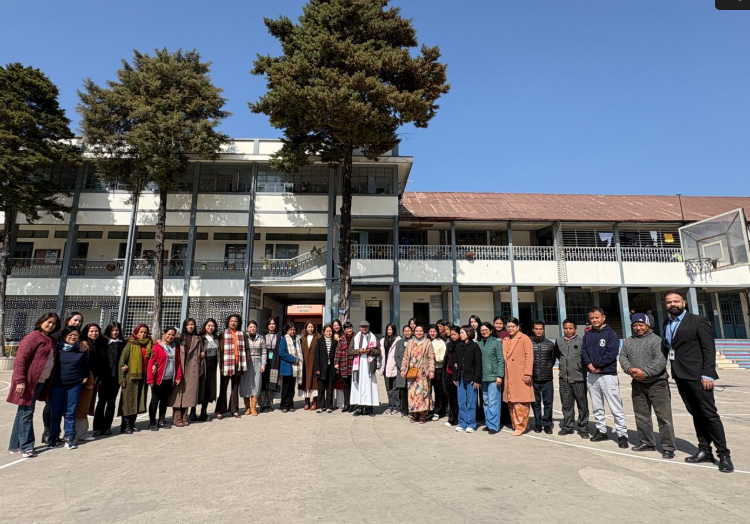
St. Anthony's LP School welcomed us with something we deeply respect — preparedness. Father Felix ensured teachers were present early and ready for a full-day immersion.
The First "Micro-Shift": A Check-In
We began the day with a question that looked simple:
"How are you feeling today?"
Teachers replied like most of us do:
- "Good."
- "Refreshed."
- "Happy to return after vacation."
Then we paused.
And asked: "What was that conversation?"
They said: "Just talking."
We smiled and said: "This is not just talking. This is a check-in."
Then we asked: "How many of you start your class with a check-in?"
No hands went up.
And that moment was powerful — not because it exposed a gap, but because it revealed an opportunity.
A check-in is not extra work. It is a small structure that signals safety. It tells a child: "I see you before I teach you."
This is the kind of small design change that makes a classroom feel different — without changing the syllabus.
Moving from Theory to Practice (Not Lecture)
We don't believe in training that stays in slides. So we designed the day like a lived experience.
Step 1: A game that teaches structure
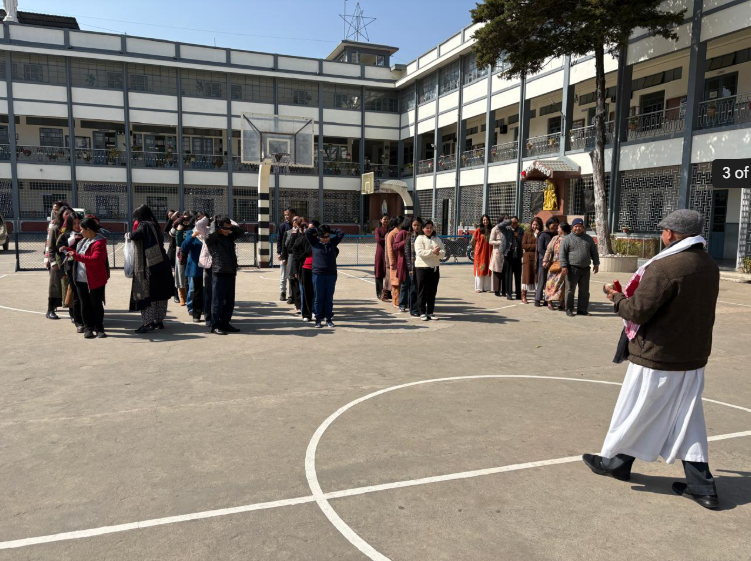
On the basketball court, we ran a simple team activity. Clear rules. Shared responsibility. Mindful movement.
There was energy. Laughter. Focus.
Then we returned to a circle. And Valentina did something important: she guided a short grounding breath — right there.
The contrast taught the lesson better than any speech:
High energy can return to calm when structure exists.
Introducing the Good Behavior Game (GBG) — The Right Way
Back in the room, we didn't say: "Here is a tool to control behaviour."
We framed it as: "Here is a structure that helps children and teachers share responsibility."
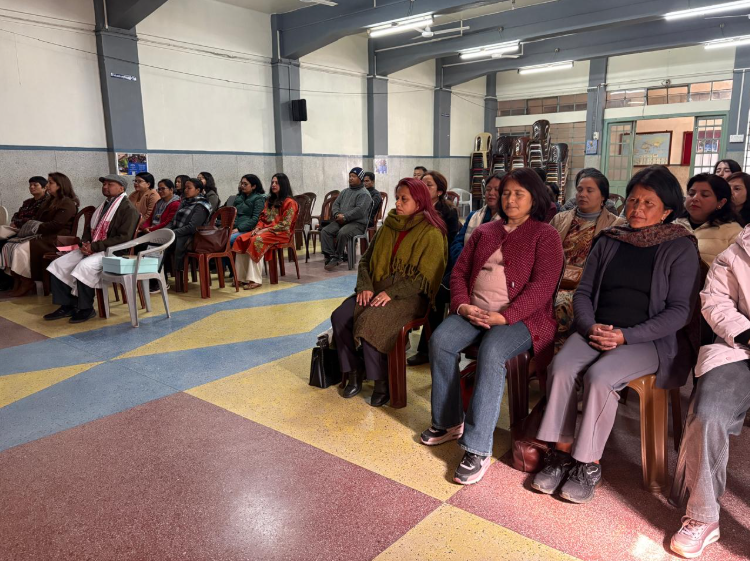
We walked teachers through:
- How teams form
- How classroom rules are co-owned
- How scoring stays non-shaming
- How recognition remains collective
- How routines reduce repeated corrections
Then we did the most important part. We invited teachers to facilitate.
When Teachers Practised, the System Began to Live
This was not "watch us and clap" training.
Teachers volunteered. They ran the process:
- Setting team norms
- Guiding the classroom moment
- Scoring transparently
- Celebrating properly
Were there mistakes? Yes — and that is good. Because safe practice is how real capacity builds.
We didn't correct with judgement. We corrected with clarity.
By the time the last teacher facilitated, you could feel it:
This is not complicated. It is learnable. It is repeatable. It is implementable inside real school time.
That's what schools need. Not motivation. A system they can actually run.
What We Heard at the End (And Why It Mattered)
At the end of the day, teachers came up with questions. Not polite questions. Real questions.
- "Can we also do anti-bullying in our school?"
- "Bullying is increasing; students need shared language."
- "Can this be adapted for children with disabilities too?"
For us, this is the real sign of adoption.
When people stop asking, "Is this good?" And start asking, "How do we integrate it?"
We did three practical things immediately:
- Collected baseline inputs
- Set up a shared WhatsApp support space for continuity
- Agreed next steps for implementation support
A workshop becomes meaningful only when the bridge to daily practice is clear. Shillong gave us that bridge.
The Larger Meaning: Northeast-First, Not Expansion-First
This visit was not about saying "we are now in Meghalaya." It was about learning how Harmony must adapt across states — with respect.
We also engaged in consultative conversations linked to:
MPOWER – Meghalaya Programme for Adolescent Wellbeing, Empowerment and Resilience
to contribute field-grounded insights toward adolescent wellbeing curriculum design.
That is how we want to grow:
- School practice
- Systems learning
- Public-good contribution
- Humility-led expansion
Closing: What Shillong Taught Us
Shillong reminded us of something simple:
When leaders prepare the ground, teachers practise with openness, and tools remain low-burden — change becomes possible without pressure.
Harmony is not a perfect method. It is a living practice.
And we are committed to growing it Northeast-first — with learning, not ego.
For School Leaders (Meghalaya & NE)
If your school wants practical teacher training that converts into daily classroom practice, write to us. We'll design the first step with your team.
For Government & Institutions
If you are building adolescent wellbeing systems and want a field-tested, low-burden classroom integration model, we are ready to support through Public Systems Advisory.
For Teachers
If you want simple daily tools to make classrooms calmer and more cooperative, we can help you start within 2 weeks.
Related Stories
Tags
Field Journal
Classroom Harmony
Assam
Zero to One
Mindfulness
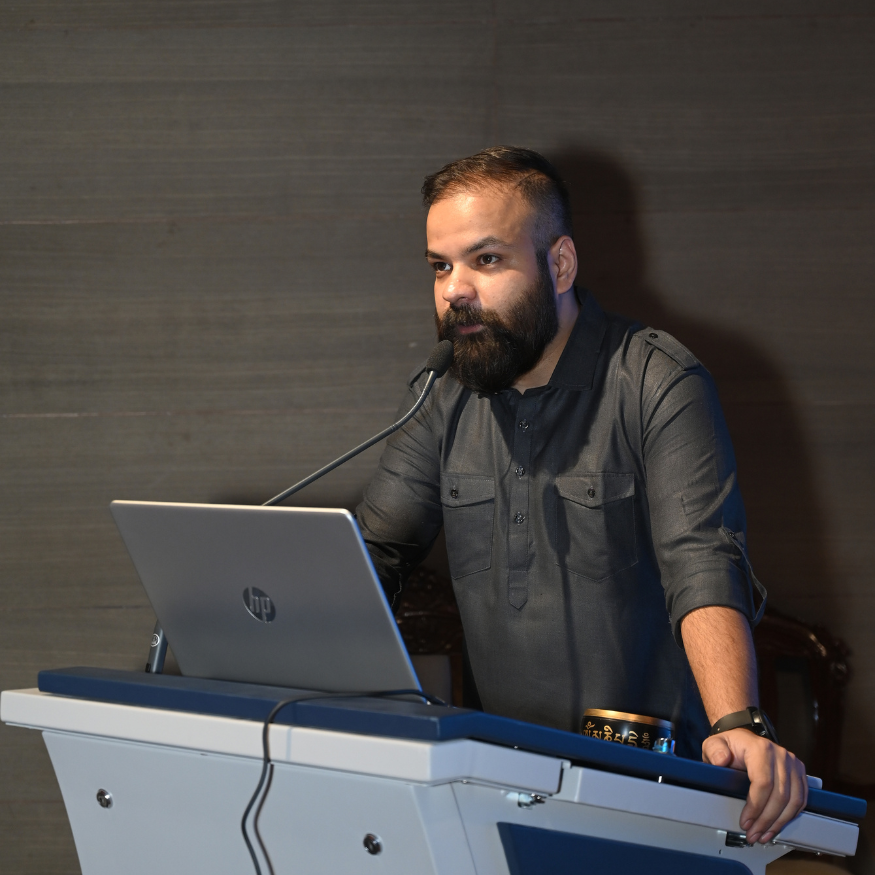
Related Stories
Zero to One — A Journey Begins at Natun Fatasil Town High School
Today marked "Day 0" — a formal beginning to a journey that we hope will inspire resilience, connection, and a sense of belonging.
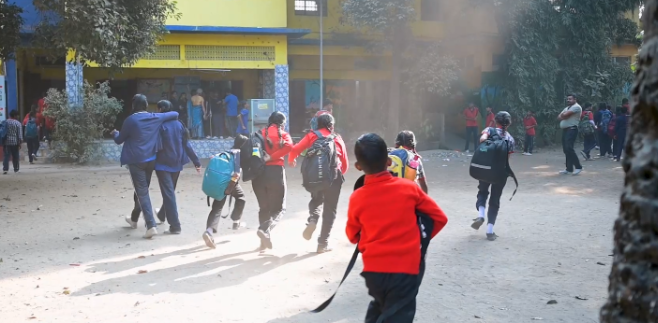
Classroom Harmony: Designing Structure That Reduces Stress
Emotional safety must be built into the daily rhythm — not added as an extra activity. Learn how we redesigned classroom structure at Natun Fatasil Town High School.
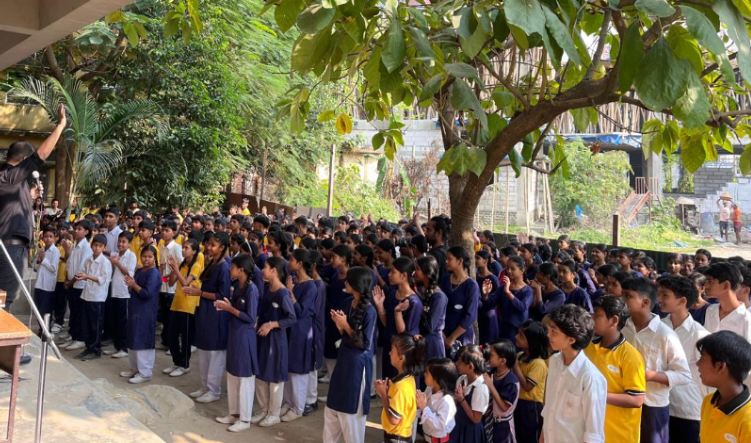
School Harmony: The Day a School Chose to Stand Together
After implementing Classroom Harmony, we asked: What would it mean to design harmony at the whole-school level? The answer unfolded on Children's Day.
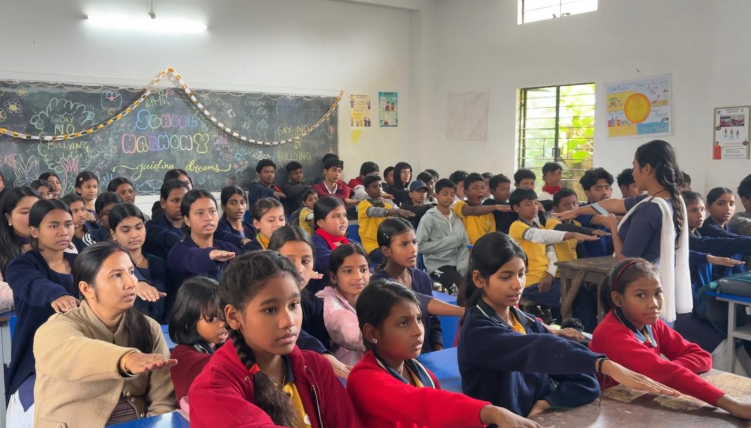
When Students Chose to Stand Up
When we began integrating KiVa-inspired thinking into School Harmony, something unexpected happened. Students who admitted past behaviour became allies.
Shillong: When Teachers Became Practitioners
Our first cross-state step. St. Anthony's LP School in Meghalaya showed us what happens when preparation meets practice.
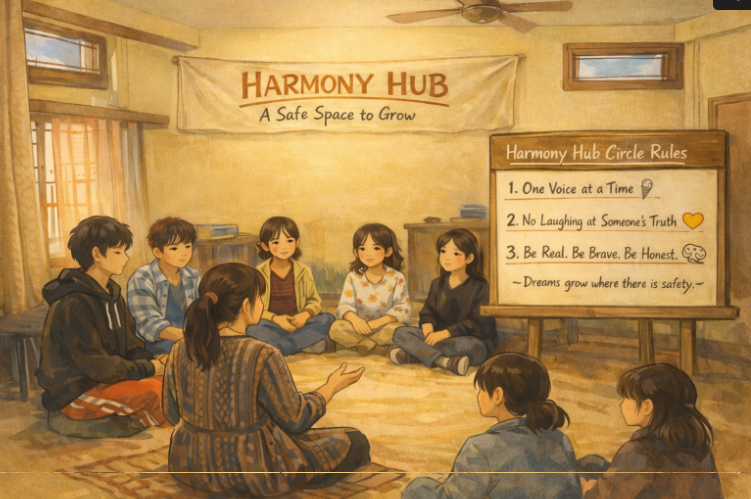
Harmony Hub: What Happens After the School Bell Rings?
School culture does not end at dismissal. Harmony Hub is structured continuity — a bridge between school and home.